

AI search could not be completed. Please try again or adjust your search.
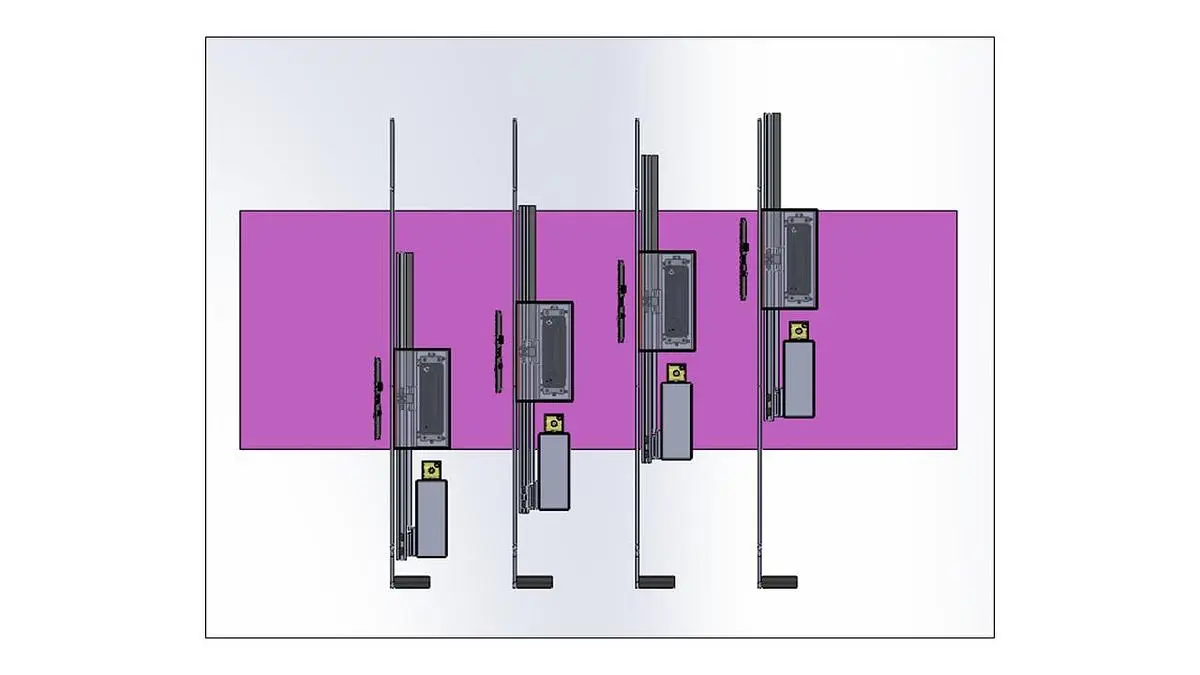
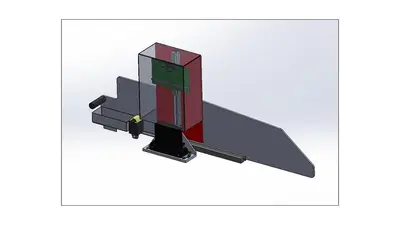
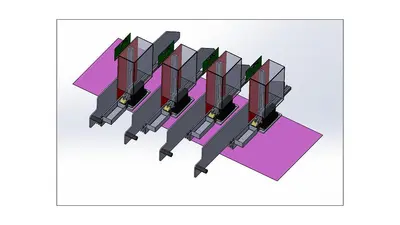
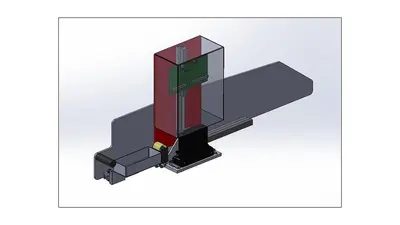
We are building custom ink jet systems , PDF driven , great for gaming, transactional, advertising , can be retrofitted to any machine , let me get you into the digital variable print market on a budget also financing available, also can replace all Kodak heads for a fraction of the price
1. How They Work
Nozzles: Each head contains hundreds or thousands of microscopic nozzles (often 10–50 μm in diameter).
Droplet Formation: Ink is pushed through these nozzles in precise volumes (picoliters) and at exact timings to produce an image.
Firing Mechanism: The ink can be ejected by:
Thermal (Bubble Jet): Heats the ink to form a vapor bubble that pushes it out.
Piezoelectric: Uses a piezo crystal that flexes when voltage is applied, pushing ink out without heat.
Continuous Inkjet (CIJ): A continuous stream of ink drops is charged and deflected onto the substrate or into a waste stream.
2. Types of Inkjet Print Heads
Thermal Inkjet (TIJ)
Common in desktop printers (HP, Canon).
Lower cost, disposable heads.
Not suited for all inks (heat-sensitive inks may be problematic).
Piezoelectric Inkjet (PIJ)
Found in Epson, Ricoh, Konica Minolta industrial heads.
Can handle more ink types (UV-curable, solvent, aqueous, pigment).
Higher durability, precise droplet control.
Continuous Inkjet (CIJ)
Used in coding/marking applications (date codes, batch numbers).
Extremely fast, works on non-porous surfaces.
3. Key Performance Specs
Resolution (DPI): How many droplets per inch; higher DPI means sharper detail.
Drop Size: Measured in picoliters; smaller drops allow smoother gradients.
Firing Frequency: Determines speed (often in kHz).
Ink Compatibility: Solvent, water-based, UV, dye, or pigment-based inks.
Head Life: From a few liters of ink (disposable heads) to hundreds of liters (industrial heads).