

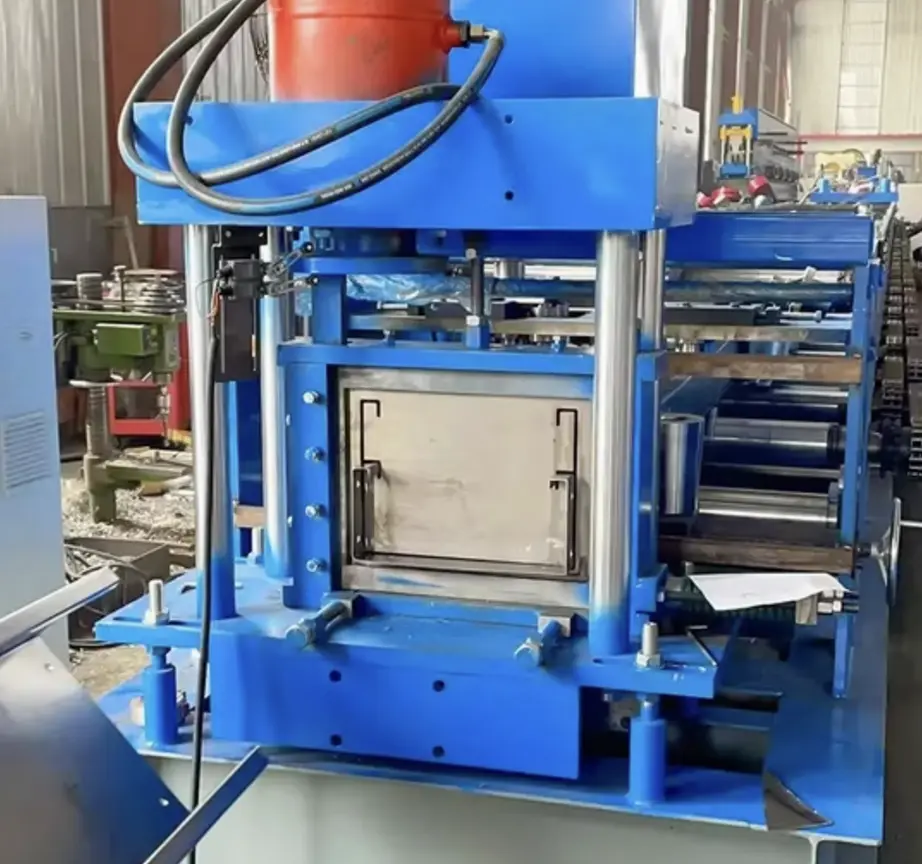
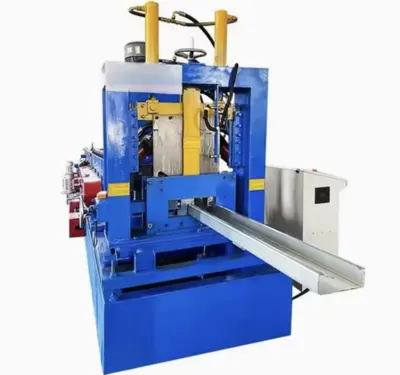

C Channel roll forming machines are vital tools in Algeria's construction and manufacturing industries. These machines are designed to produce precise, durable C-shaped profiles, widely used in steel framing, building construction, and infrastructure projects. This guide provides a detailed overview of the machine's specifications, description, and common questions.
Machine Description
A C Channel roll forming machine is a highly efficient and automated system designed to transform metal coils into continuous C-shaped profiles. These profiles are commonly utilized in structural supports, wall studs, roofing, and industrial frameworks.
Key Features:
High Precision: Advanced roller systems ensure consistent and accurate profiles.
Customizable: Adjustable specifications to meet various width, height, and thickness requirements.
Durability: Constructed with high-quality steel for long-term performance in industrial environments.
Automation: Includes a PLC control system for efficient, user-friendly operation.
Applications:
Structural components in buildings
Fencing systems
Ceiling systems
Industrial storage racks
Optional Features
Punching Systems: For pre-punched holes or slots.
Stackers: Automated stacking for completed profiles.
Remote PLC Control: Monitor and operate the machine remotely.
Decoilers: Supports heavy coils for continuous operation.
Embossing Systems: Adds textured patterns for specialized applications.
Setup and Installation
Foundation Preparation: Install the machine on a leveled and reinforced surface.
Electrical Connections: Ensure compatibility with local power supply.
Coil Loading: Position metal coils onto the uncoiler.
Machine Calibration: Set up rollers and cutting mechanisms for the desired profile dimensions.
Trial Runs: Test the machine with sample runs to ensure accuracy.
Maintenance Tips
Regular Cleaning: Keep the rollers and cutting blades free from debris.
Lubrication: Periodically lubricate moving parts.
Alignment Checks: Inspect roller alignment to maintain profile precision.
PLC Updates: Ensure software is updated for optimal performance.
Inspection: Conduct regular inspections to identify and replace worn-out components.
Questions and Answers
Q1: What are the most common materials used with a C Channel roll forming machine?
A1: Galvanized steel, carbon steel, and aluminum are most commonly used due to their durability and ease of forming.
Q2: Can the machine produce multiple C Channel sizes?
A2: Yes, most machines are designed with adjustable rollers and cutting systems to produce profiles of varying sizes.
Q3: Is a specialized technician required for operation?
A3: While initial setup and calibration might require technical expertise, the PLC system ensures that routine operations are straightforward and user-friendly.
Q4: How does the machine handle Algerian power supply standards?
A4: Machines can be customized to meet Algeria's standard power supply specifications (220V/50Hz or 380V/50Hz).
Q5: What is the typical lead time for importing such machines into Algeria?
A5: Lead times vary but generally range between 6-12 weeks, including shipping and customs clearance.
Q6: Are spare parts readily available in Algeria?
A6: Many suppliers offer spare parts or support through local distributors. It's advisable to confirm with the seller before purchase.
Q7: What is the average price range for a C Channel roll forming machine in Algeria?
A7: Depending on the specifications, the price can range from $20,000 to $80,000, excluding shipping and customs duties.
Material: Galvanized steel, carbon steel, aluminum, or stainless steel
Material Thickness: 0.5 mm to 4 mm
Profile Width Range: 50 mm to 300 mm
Profile Height Range: 20 mm to 80 mm
Production Speed: 10-30 meters per minute
Roller Material: High-grade chromium steel
Number of Stations: 10-20 (varies with machine model)
Cutting System: Hydraulic cutting, precise and burr-free cuts
Control System: PLC with touchscreen interface
Power Requirements: Customizable based on local voltage (e.g., 220V/380V, 50Hz)
Motor Power: 7.5 kW to 15 kW
Hydraulic Station Power: 4 kW to 7.5 kW
Machine Dimensions: Approximately 6.5 m x 1.2 m x 1.2 m (varies by model)
Weight: Around 5 tons
