

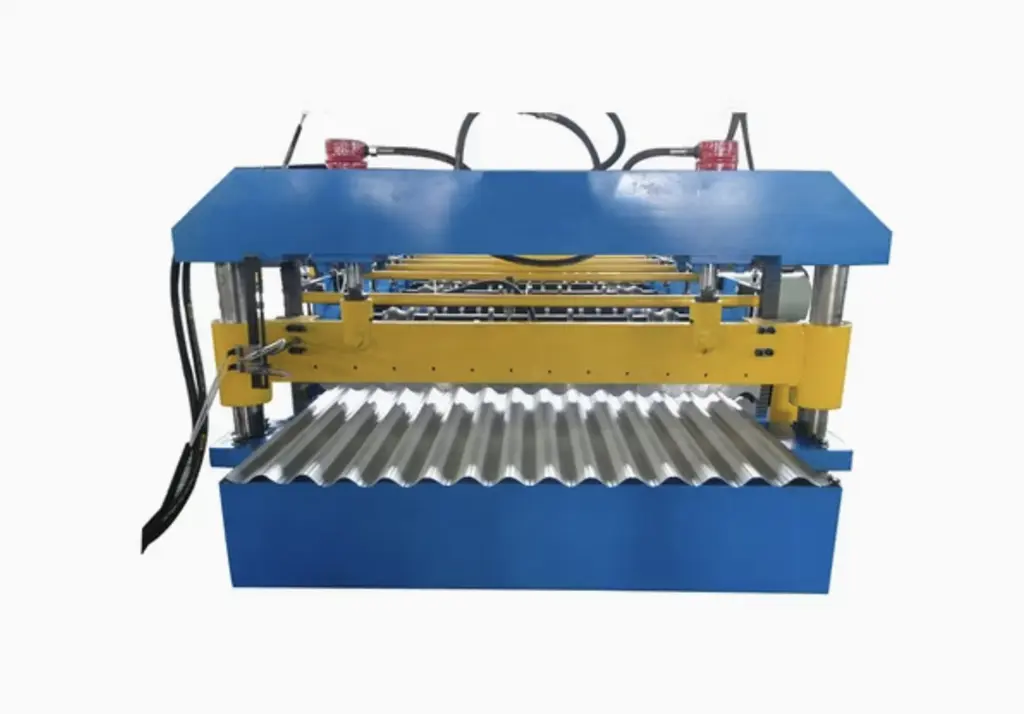
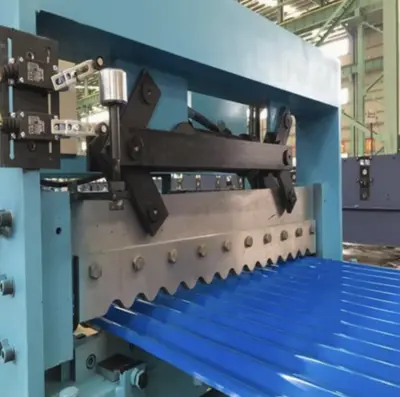
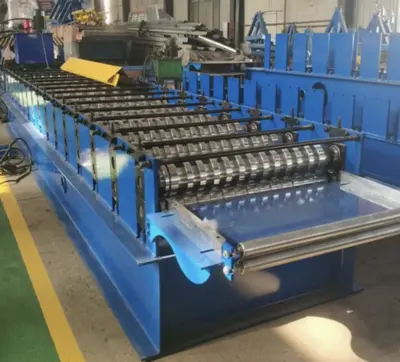

A roofing sheet roll forming machine is a specialized equipment designed to fabricate roofing sheets from metal coils. It automates the process of shaping, cutting, and profiling metal sheets into specific roofing designs, ensuring consistency and high-quality output. These machines cater to various roofing profiles such as trapezoidal, corrugated, and standing seam panels, meeting the needs of residential, commercial, and industrial projects.
Key Features
High Efficiency: Capable of continuous production with minimal downtime.
Customizable Profiles: Supports various designs like corrugated, trapezoidal, and standing seam.
Durability: Built with high-quality components to withstand demanding production cycles.
Automation: Fully automated systems reduce manual intervention, improving accuracy and productivity.
Low Maintenance: Robust construction ensures reduced wear and tear.
Why Choose Roofing Sheet Roll Forming Machines in the UK?
Compliance with UK Standards: Machines are designed to meet UK safety and operational standards.
Versatile Applications: Suitable for various roofing needs, including residential, commercial, and agricultural applications.
Sustainability: Enables the use of recyclable materials like steel and aluminum, aligning with eco-friendly construction trends in the UK.
Questions and Answers
Q1: What are the primary profiles produced by roofing sheet roll forming machines?
A: The primary profiles include trapezoidal sheets, corrugated sheets, and standing seam panels. These profiles cater to diverse architectural requirements and climatic conditions.
Q2: What materials can be processed with these machines?
A: Common materials include galvanized steel, pre-painted steel, aluminum, and zinc alloys. The material choice depends on the roofing application and budget.
Q3: What is the average cost of a roofing sheet roll forming machine in the UK?
A: The cost can range from £20,000 to £100,000 depending on the machine's specifications, features, and automation level.
Q4: Is installation and training included with the purchase?
A: Most manufacturers or suppliers offer installation and operator training as part of the package or at an additional cost.
Q5: Can these machines accommodate custom designs?
A: Yes, many machines come with customizable rollers and dies to produce unique roofing profiles.
Q6: What maintenance does the machine require?
A: Regular maintenance includes lubrication, inspection of rollers, blades, and electrical systems, and replacing worn-out components to ensure optimal performance.
Q7: Are spare parts readily available in the UK?
A: Spare parts are generally available through local suppliers or can be sourced from the manufacturer. It's advisable to confirm availability during purchase.
Q8: What factors should I consider before buying a roll forming machine in the UK?
A: Consider the following:
Power supply compatibility.
Profile requirements.
Material thickness and width.
Production speed.
After-sales service and support.
Q9: Is financing available for these machines?
A: Many suppliers offer financing options or partner with financial institutions to provide affordable payment plans for buyers.
Q10: How does shipping and delivery work in the UK?
A: Machines are typically shipped as per Incoterms agreed during purchase. Delivery time varies based on the manufacturer’s location and lead time.
Roller Materials: High-grade steel with chrome plating for durability and precision.
Frame Size: Heavy-duty steel frame, ensuring stability during high-speed operations.
Motors:Main motor: High-power AC motor for reliable performance.Hydraulic motor: Used for cutting and punching operations.
Main motor: High-power AC motor for reliable performance.
Hydraulic motor: Used for cutting and punching operations.
Cutting System: Hydraulic cutting system with hardened steel blades for clean and accurate cuts.
PLC System: Advanced PLC control with a touchscreen interface for ease of operation and customization.
Machine Speed: 10–30 meters per minute, depending on the profile and material.
Safety Guards: Comprehensive safety enclosures to protect operators during machine operation.
Power Supply: 380V/50Hz, adaptable for UK electrical standards.
Coil Width: Typically ranges from 600mm to 1250mm, depending on the profile.
Material Thickness: Compatible with 0.3mm–0.8mm thickness for roofing sheets.
Optional Features:Automatic stackers for finished products.Pre-cut and post-cut systems.Uncoilers and recoilers for efficient material handling.
Automatic stackers for finished products.
Pre-cut and post-cut systems.
Uncoilers and recoilers for efficient material handling.
