

AI search could not be completed. Please try again or adjust your search.
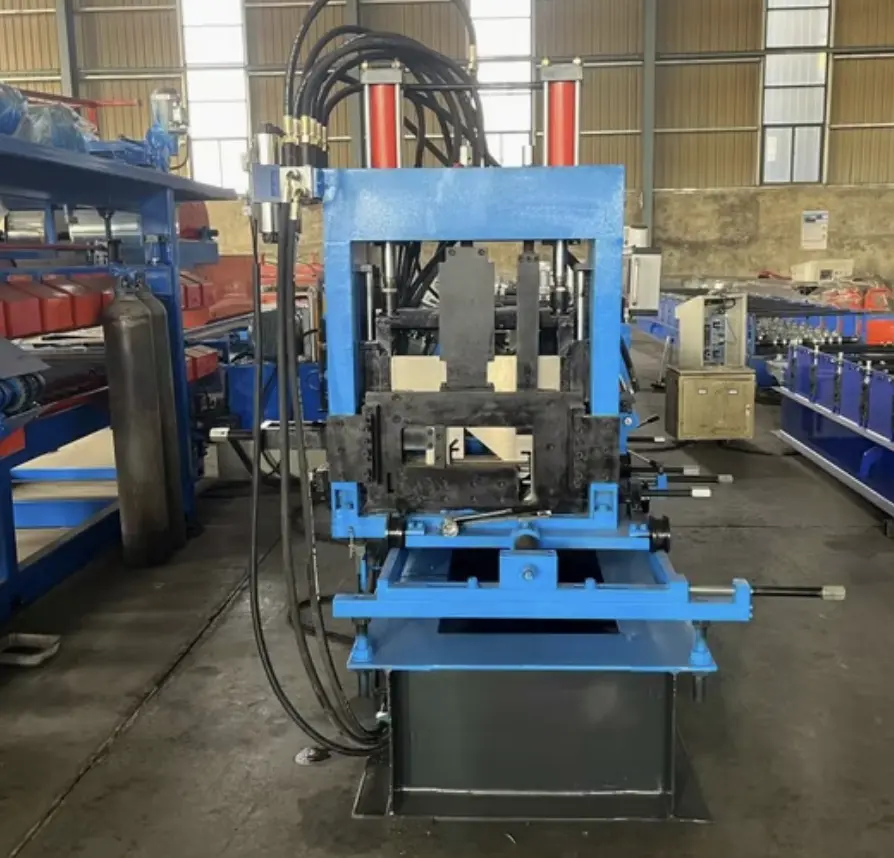

Color steel tile roll forming machines are essential in the production of color-coated steel roofing tiles, widely used in building construction due to their durability, aesthetics, and weather resistance. These machines streamline the manufacturing process by forming metal sheets into desired roofing profiles through a series of precision-formed rollers. This post will cover the specifications, machine description, and common questions about color steel tile roll forming machines.
Machine Description
A color steel tile roll forming machine is engineered to transform metal coils into roofing sheets with precision and speed. It consists of a decoiler, main forming unit, cutting mechanism, and control system. The machine takes metal coils, commonly made from galvanized or color-coated steel, and forms them into roofing profiles, such as corrugated or ribbed tiles. The entire process is automated and controlled via a PLC (Programmable Logic Controller) system, ensuring consistency and accuracy in production.
Benefits of a Color Steel Tile Roll Forming Machine
High Production Efficiency: Capable of producing a high volume of tiles per minute, reducing manufacturing costs.
Consistent Quality: Ensures precise dimensions and uniformity in each tile.
Versatility: Compatible with various tile profiles and metal types, catering to diverse roofing needs.
Ease of Operation: PLC system and HMI interface simplify operations and maintenance.
Durability: High-quality materials ensure longevity and reduced maintenance costs.
Common Questions & Answers
Q1: What types of roofing profiles can a color steel tile roll forming machine produce?
A1: Most color steel tile roll forming machines can produce a range of profiles, including corrugated tiles, ribbed tiles, and trapezoidal designs. Customization options are often available, allowing manufacturers to design rollers to meet specific profile needs.
Q2: What materials are compatible with this roll forming machine?
A2: Color steel tile roll forming machines are compatible with materials like galvanized steel, color-coated steel, and sometimes even aluminum. It’s crucial to verify the machine specifications to ensure compatibility with the desired material thickness and type.
Q3: How accurate is the cutting mechanism in this machine?
A3: The hydraulic cutting system is precise, offering a cutting tolerance of ±1 mm. This accuracy is sufficient to ensure that each tile meets specified dimensions, reducing wastage and ensuring a high-quality finished product.
Q4: How easy is it to operate this machine?
A4: These machines are designed for easy operation, thanks to the PLC control system with a touchscreen HMI. Operators can control settings such as length, quantity, and speed through the interface, making it accessible even to users with minimal experience.
Q5: What maintenance does a color steel tile roll forming machine require?
A5: Regular maintenance is necessary to prolong the machine’s lifespan. This includes lubrication of rollers, inspection of the hydraulic system, and cleaning of the decoiler. Manufacturers often provide a maintenance guide with instructions specific to the machine model.
Q6: Can this machine be customized for different tile designs?
A6: Yes, many manufacturers offer customization for different tile profiles. This may include modifications to roller design, cutting dimensions, and embossing features to achieve unique aesthetics or functionalities.
Q7: What is the production capacity of a standard color steel tile roll forming machine?
A7: Production capacity varies by machine model, but typical speeds range from 8 to 15 meters per minute. This output is ideal for medium to large-scale manufacturing needs.
Q8: Is training required to operate the machine?
A8: While the machine is user-friendly, some training is beneficial to ensure safe operation, particularly for new operators. Many suppliers offer basic training upon installation to cover machine operation and safety protocols.
Conclusion
A color steel tile roll forming machine is a valuable asset for manufacturers producing high-quality roofing solutions. With various profile options, a robust control system, and high production speeds, it meets the demands of modern construction efficiently. Proper maintenance and adherence to operation guidelines will ensure a long service life and consistent production quality. If you're considering investing in a color steel tile roll forming machine, understanding its specifications and features is key to making an informed decision.
Material Specifications
Material: Galvanized steel, color-coated steelThickness Range: 0.3-0.8 mm (depending on machine capacity)Width of Coils: Typically 1000 mm, 1200 mm, or 1250 mm
Material: Galvanized steel, color-coated steel
Thickness Range: 0.3-0.8 mm (depending on machine capacity)
Width of Coils: Typically 1000 mm, 1200 mm, or 1250 mm
Forming System
Roller Stations: 12–16 roller stations (varies based on tile design and length)Roller Material: High-grade steel, usually Cr12 steel with heat treatment for durabilityMain Shaft Diameter: 70–90 mmForming Speed: 8-15 meters per minute
Roller Stations: 12–16 roller stations (varies based on tile design and length)
Roller Material: High-grade steel, usually Cr12 steel with heat treatment for durability
Main Shaft Diameter: 70–90 mm
Forming Speed: 8-15 meters per minute
Cutting Mechanism
Type: Hydraulic cutting systemBlade Material: Cr12 or similar hardened steelCutting Accuracy: ±1 mm
Type: Hydraulic cutting system
Blade Material: Cr12 or similar hardened steel
Cutting Accuracy: ±1 mm
Power System
Main Motor Power: 5.5 kW–11 kW, depending on capacityHydraulic Power: 3 kW–5.5 kW for cutting and pressing systems
Main Motor Power: 5.5 kW–11 kW, depending on capacity
Hydraulic Power: 3 kW–5.5 kW for cutting and pressing systems
Control System
PLC Control: Automated control system with touch screen (Siemens or Mitsubishi options)User Interface: HMI (Human Machine Interface) touch screen for easy adjustments and monitoring
PLC Control: Automated control system with touch screen (Siemens or Mitsubishi options)
User Interface: HMI (Human Machine Interface) touch screen for easy adjustments and monitoring
Machine Dimensions
Length: 8–12 metersWidth: 1.5–1.8 metersHeight: 1.5 metersTotal Weight: 5–8 tons, depending on specifications
Length: 8–12 meters
Width: 1.5–1.8 meters
Height: 1.5 meters
Total Weight: 5–8 tons, depending on specifications
Optional Extras
Decoiler: Manual or hydraulic with 5-ton capacityAutomatic Stacker: For collecting finished tilesPre-Cutting Device: To minimize material wasteEmbossing Roller: For adding texture to tiles
Decoiler: Manual or hydraulic with 5-ton capacity
Automatic Stacker: For collecting finished tiles
Pre-Cutting Device: To minimize material waste
Embossing Roller: For adding texture to tiles
