


Deck Roll Forming Machines: Comprehensive Guide
Introduction
Deck roll forming machines are integral to the construction industry, producing metal decking profiles used in floors, roofs, and mezzanines. These machines create durable, high-strength decking profiles, meeting the needs of projects requiring both strength and lightweight materials. This guide explores deck roll forming machines, from specifications to maintenance, and answers some frequently asked questions.
Machine Description
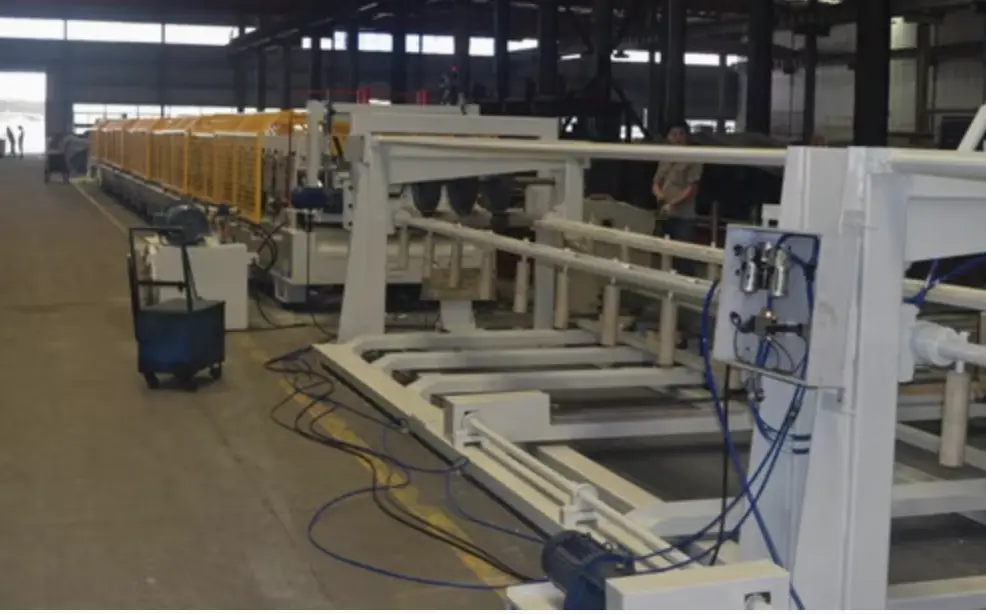
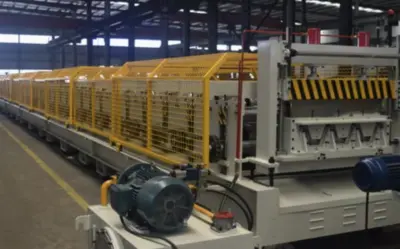
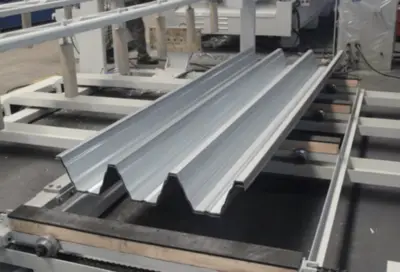
Deck roll forming machines are specialized equipment designed to fabricate metal decking panels by progressively bending sheet metal coils into the desired shape. These machines are known for high precision, reliability, and the capacity to produce large volumes of decking in minimal time. Metal decking panels produced by these machines are often used in composite floor systems in buildings and other construction applications.
Extras and Customization Options
Uncoilers
Various uncoilers are available to handle coils of different weights, often with automatic feeding.
Stacking System
Optional stackers for automatic stacking of finished decking panels.
Remote Monitoring
Remote PLC monitoring systems are available for real-time diagnostics and machine health monitoring.
Coil Handling Systems
Systems like coil cars and tippers improve production efficiency by making coil loading smoother and safer.
Q&A Section
Q1: What materials are compatible with deck roll forming machines?
A: Deck roll forming machines are primarily designed to work with galvanized steel, aluminum, and stainless steel coils. The material thickness typically ranges from 0.8mm to 1.5mm, depending on the profile and structural requirements.
Q2: Can deck roll forming machines create custom profiles?
A: Yes, many deck roll forming machines can be customized to produce unique profiles based on project needs. Consult with the manufacturer for custom roll designs and specific requirements.
Q3: How long does it take to set up a deck roll forming machine?
A: Initial setup can take anywhere from several hours to a full day, depending on machine size and complexity. Operators can typically switch between profiles in a few hours once the machine is configured.
Q4: What maintenance does a deck roll forming machine require?
A: Regular maintenance includes lubrication of moving parts, checking roller alignment, and inspecting the cutting and punching systems. Annual checks by a qualified technician can prevent costly downtime and prolong machine life.
Q5: How precise is the length cutting in deck roll forming machines?
A: Deck roll forming machines are highly precise, usually achieving a tolerance of ±1mm due to the hydraulic cutting system, which ensures consistent deck panel lengths.
Q6: Are there safety features on these machines?
A: Yes, most deck roll forming machines come equipped with safety guards, emergency stop buttons, and sensors to ensure safe operation. Regular safety checks are recommended.
Q7: What factors should be considered before purchasing a deck roll forming machine?
A: Important factors include desired production capacity, profile requirements, material compatibility, and available customization options. Additionally, consider power requirements and space availability in your facility.
Conclusion
Deck roll forming machines are essential tools for producing high-quality metal decking panels that meet industry standards. With various specifications and customization options, they cater to diverse construction needs, ensuring efficiency and structural integrity. Understanding machine features and proper maintenance will maximize the investment and guarantee long-term productivity.
Roller Material
Hardened steel or chromium-coated steel for extended durability and precision shaping.
Hardened steel or chromium-coated steel for extended durability and precision shaping.
Frame Size and Construction
Heavy-duty steel frame for stability and reduced vibration during high-speed operations.Common frame thickness ranges from 25-30mm.
Heavy-duty steel frame for stability and reduced vibration during high-speed operations.
Common frame thickness ranges from 25-30mm.
Motor Power
Servo motors for accurate positioning and high-speed operation.Power specifications range from 7.5 kW to 15 kW, depending on production requirements.
Servo motors for accurate positioning and high-speed operation.
Power specifications range from 7.5 kW to 15 kW, depending on production requirements.
Hydraulic System
Integrated hydraulic cutting and punching system for seamless operations.Hydraulic power capacity usually ranges between 5 to 7 kW.
Integrated hydraulic cutting and punching system for seamless operations.
Hydraulic power capacity usually ranges between 5 to 7 kW.
PLC System
Programmable Logic Controller (PLC) with user-friendly HMI (Human Machine Interface) for easy control and monitoring of the machine’s functions.
Programmable Logic Controller (PLC) with user-friendly HMI (Human Machine Interface) for easy control and monitoring of the machine’s functions.
Machine Speed
High production speeds, typically between 10-15 meters per minute, depending on profile complexity.
High production speeds, typically between 10-15 meters per minute, depending on profile complexity.
Cutting System
Hydraulic cutting mechanism, with automatic cut-to-length and punching capabilities for increased production efficiency.Cutting tolerance of ±1mm ensures precise deck lengths.
Hydraulic cutting mechanism, with automatic cut-to-length and punching capabilities for increased production efficiency.
Cutting tolerance of ±1mm ensures precise deck lengths.
Profile Range
Decking thickness: 0.8 to 1.5 mm.Width options: Adjustable for different deck widths as per industry standards.Various profiles are available to match specific structural requirements, including narrow rib, intermediate rib, and wide rib decks.
Decking thickness: 0.8 to 1.5 mm.
Width options: Adjustable for different deck widths as per industry standards.
Various profiles are available to match specific structural requirements, including narrow rib, intermediate rib, and wide rib decks.
Safety Guards and Enclosures
Comprehensive safety features including guards and emergency stop buttons, ensuring operator safety.
Comprehensive safety features including guards and emergency stop buttons, ensuring operator safety.
