

AI search could not be completed. Please try again or adjust your search.
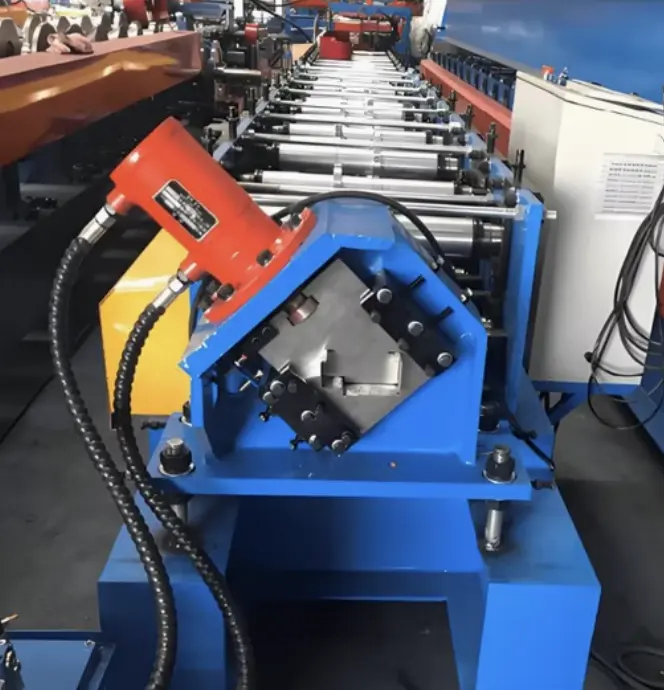
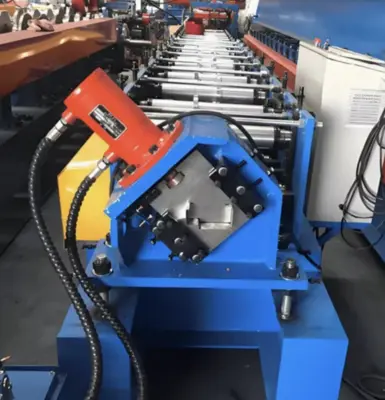
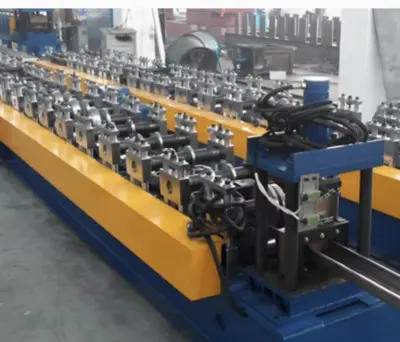

The Door Frame Roll Forming Machine is a specialized piece of equipment designed to produce high-quality door frames in various shapes and sizes to meet the demands of the construction, manufacturing, and building sectors. This machine enables efficient, accurate, and consistent production of metal door frames, offering both strength and durability. It is used primarily to create door frames for residential, commercial, and industrial applications, particularly where metal frames are needed for added security, fire resistance, or moisture protection.
This roll forming machine is designed to handle materials such as galvanized steel, aluminum, stainless steel, and other metal alloys, often in gauges ranging from 0.6 mm to 1.5 mm. With its fully automated system, it can create door frames in various profiles with minimal manual intervention, providing high productivity and reduced production time. The machine is also capable of creating intricate bends and punching holes for hinges, locks, and other fittings, making it a versatile choice for large-scale door frame manufacturing.
Key Specifications
Material Compatibility:
Steel, aluminum, stainless steel, galvanized steel, and other metal alloys
Material thickness: 0.6 mm to 1.5 mm (customizable depending on machine capacity)
Profile Dimensions:
Adjustable to different frame dimensions as per requirements
Typically supports custom widths and heights with specified flange sizes
Rollers:
Made from high-grade steel, heat-treated for durability and precision
Number of roller stations: 12–18 stations depending on model
Rollers designed to reduce wear and tear on metal surfaces
Main Frame:
Heavy-duty steel frame for stability and long-lasting performance
Reinforced for vibration reduction during high-speed operations
Forming Speed:
Up to 15-20 meters per minute (varies by model and configuration)
Adjustable speed to match production requirements
Drive System:
Main motor power: 7.5 kW or more (depends on model)
Hydraulic power: 4 kW for cutting and punching
Cutting and Punching System:
Hydraulic or servo-driven system for precise cutting
Punching stations included for hinge slots, lock holes, and mounting points
Die-cutting for consistent and accurate shapes
Control System:
Programmable Logic Controller (PLC) system with user-friendly touchscreen interface
Enables precise adjustments for profile length, punching, and cutting positions
Safety Features:
Equipped with protective enclosures and emergency stop functions
Safety guards around high-speed moving parts to protect operators
Optional Add-Ons:
Coil handling system for easy material loading
Stackers and conveyors for product collection
Remote PLC control for monitoring and adjustments
Typical Applications
Metal door frames for residential, commercial, and industrial buildings
Security doors, fire-rated doors, and moisture-resistant frames
Custom-designed frames for unique architectural requirements
Setup and Installation Process
Setting up a door frame roll forming machine typically involves securing the machine on a stable surface, connecting it to the power supply, and calibrating the rollers and cutting/punching systems according to the required door frame profile. Skilled technicians are often required to fine-tune the machine during initial installation to ensure that all components operate smoothly and meet quality standards.
Maintenance Requirements
Regular maintenance is essential to keep the machine in optimal working condition. This includes:
Lubricating moving parts to reduce wear
Inspecting and replacing worn rollers or dies
Regularly checking the hydraulic and electrical systems
Keeping the machine clean and free of debris
Question and Answer Section
Q1: What materials can a door frame roll forming machine handle?
A1: The machine can work with a variety of metals, including galvanized steel, aluminum, and stainless steel, typically within a thickness range of 0.6 mm to 1.5 mm. Some machines may offer customization for different material gauges.
Q2: How does the punching system work in a door frame roll forming machine?
A2: The machine includes a hydraulic or servo-driven punching system that can be programmed to create holes and slots for hinges, locks, and other mounting points on the frame. This ensures the frames are ready for assembly without further modification.
Q3: Can the machine be customized to create different door frame profiles?
A3: Yes, the machine is designed to be versatile. With adjustable rollers and settings in the control system, it can produce a wide range of profiles, making it suitable for different door sizes and frame styles.
Q4: What kind of production speed can be expected?
A4: Production speeds can vary depending on the model and configuration. Typically, door frame roll forming machines operate at speeds of up to 15–20 meters per minute, which allows for high output in large-scale production.
Q5: What safety features are included?
A5: Safety features include protective enclosures around high-speed parts, an emergency stop button, and safety guards to protect operators from moving parts. These features ensure a safer work environment for machine operators.
Q6: How long does it take to set up and install the machine?
A6: Installation time can vary depending on the machine's complexity and the production setup. Generally, it takes a few days to install, calibrate, and test the machine to ensure all components function correctly.
Q7: How often should maintenance be performed?
A7: Regular maintenance should be performed based on usage. It typically involves daily cleaning, weekly inspections, and monthly lubrication of parts. Periodic checks on the hydraulic and electrical systems are also recommended for optimal performance.
Q8: What industries benefit the most from a door frame roll forming machine?
A8: This machine is ideal for construction and manufacturing industries that require high-quality metal door frames. It is especially beneficial for security, fire-rated, and moisture-resistant door applications in residential, commercial, and industrial projects.
Q9: Can the machine operate continuously without interruptions?
A9: Yes, the machine is designed for continuous operation, but periodic maintenance and regular inspections are recommended to prevent unplanned downtime. Properly maintained, it can run efficiently for extended periods.
Q10: What is the average lifespan of a door frame roll forming machine?
A10: With regular maintenance, a high-quality door frame roll forming machine can last 10–15 years or longer, depending on usage and care.
